Understanding Local Fence Approval, Building Board Requirements, Materials, and Property Placement Before Starting Your Project
Planning to install a new fence around your home? Before choosing materials or scheduling installation, it is important to understand the local regulations that may apply to your property.
For homeowners in River Hills, Wisconsin, getting approval before beginning a residential fencing project is an important step. The Village of River Hills requires fences to go through Building Board review. The review considers the proposed fence's location, design, materials, and how it fits with the property's surroundings.
Whether you are planning a backyard privacy fence, a decorative boundary, or a replacement for an existing fence, understanding the local approval process can help you avoid delays and unexpected changes.
Here are some important things to know before getting started.
1. Do You Need Approval for a Fence in River Hills?
Yes. The Village of River Hills lists fences among the projects that require Building Board approval.
This means homeowners should not assume they can begin installation simply because the proposed fence is located within their property boundaries. The village reviews fence proposals to help maintain the community's established character and ensure that exterior improvements are appropriate for their surroundings.
The approval process generally involves preparing a building permit application and supporting project documents for review.
Before starting construction, homeowners should:
- Contact the Village of River Hills to confirm the current application requirements.
- Prepare a site plan showing the proposed fence location.
- Provide information about the fence's height, style, and materials.
- Submit the required application documents and fees.
- Obtain the necessary approval before beginning installation.
Planning ahead is especially important because the village follows a monthly Building Board review schedule.
2. Understand the Building Board Review Process
One important difference between River Hills and some nearby communities is its Building Board approval process.
According to the village's application checklist, completed application materials must be submitted to Village Hall by the first Monday of the month to be considered for that month's agenda.
The Building Board meeting is generally held on the third Monday of the month at 5 p.m.
Incomplete application packets may be delayed until the following month's review. This is why it is important to prepare all required documents before submitting your project.
The Building Board evaluates proposed improvements based on factors such as:
- The appearance and design of the proposed structure
- The suitability of the materials for the property
- Compatibility with surrounding properties
- The effect of the project on neighboring views
- Whether the proposed design supports the village's overall character
For homeowners, this means a fence should be planned as part of the property's overall outdoor design rather than treated as a simple boundary installation.
3. What Fence Height and Placement Should You Consider?
Fence height and placement are important parts of the planning process. However, homeowners should not assume that a standard height limit applies to every property in River Hills.
The appropriate design may depend on the property, the proposed location, surrounding structures, and the village's review.
Before selecting a fence height, consider the following:
Front Yard Areas
Think carefully about how a proposed fence will look from the street and affect the appearance of the property. Its location and design should be discussed with the village before installation.
Side and Rear Yards
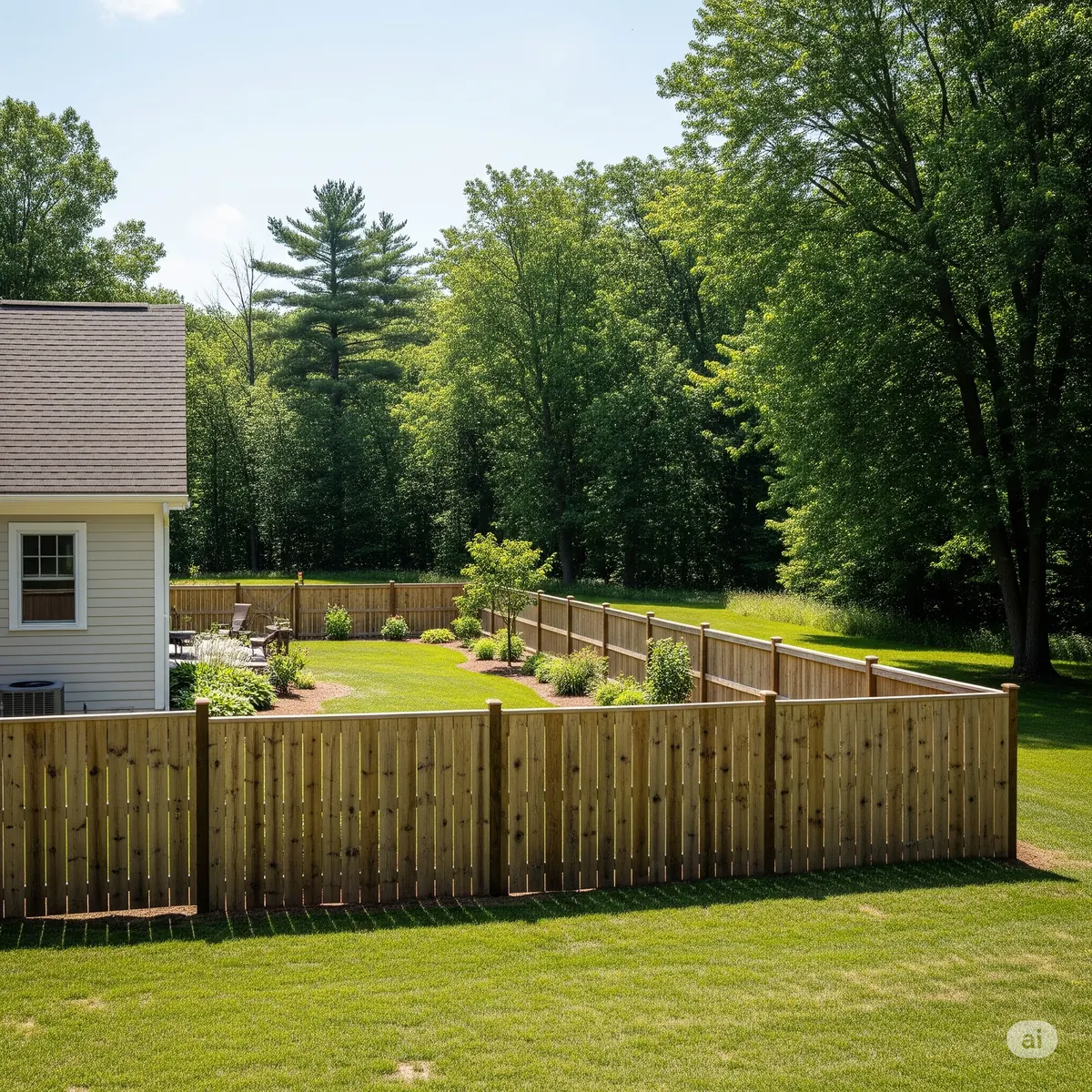
A backyard or side-yard fence may provide privacy and establish a clear boundary. However, its height, location, and overall appearance still need to be included in the approval process.
Property Boundaries
Make sure the proposed fence is located within your property. Accurate measurements can help prevent disagreements with neighboring property owners.
Neighboring Views
The Building Board may consider how a proposed fence affects the outlook from adjacent properties. A design that works well for one property may not be appropriate for another.
Contact the village before finalizing your measurements or purchasing materials.
4. Which Fence Materials Should You Consider?
The right fencing material depends on your preferred appearance, maintenance expectations, property layout, and project goals.
Popular residential options include:
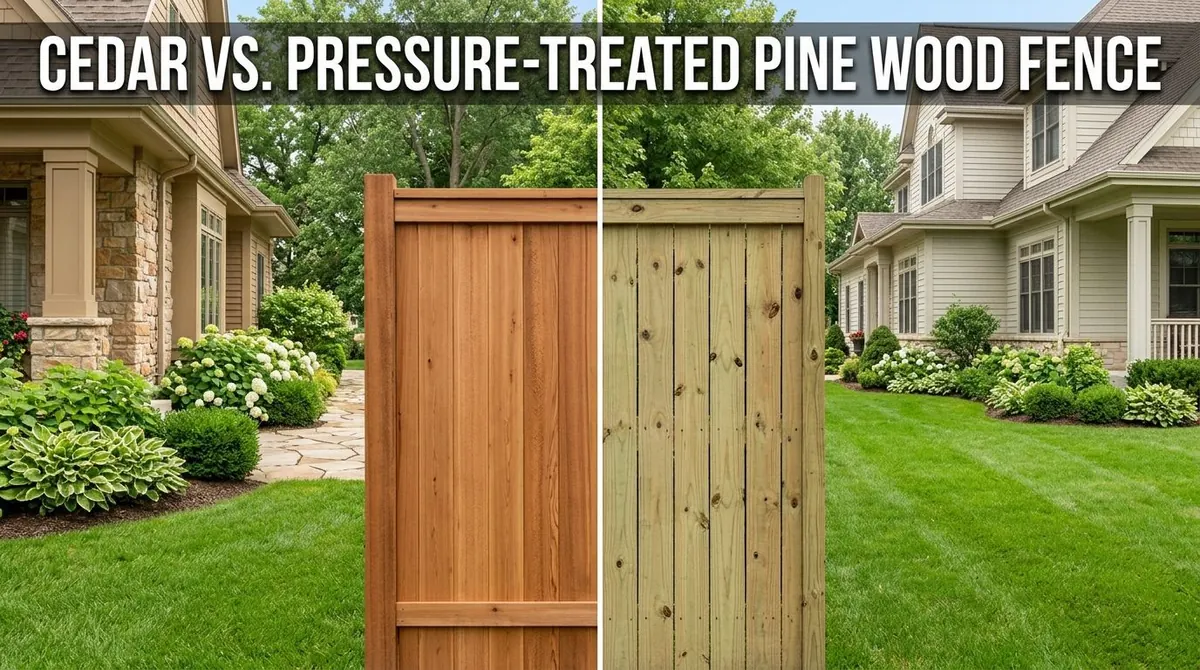
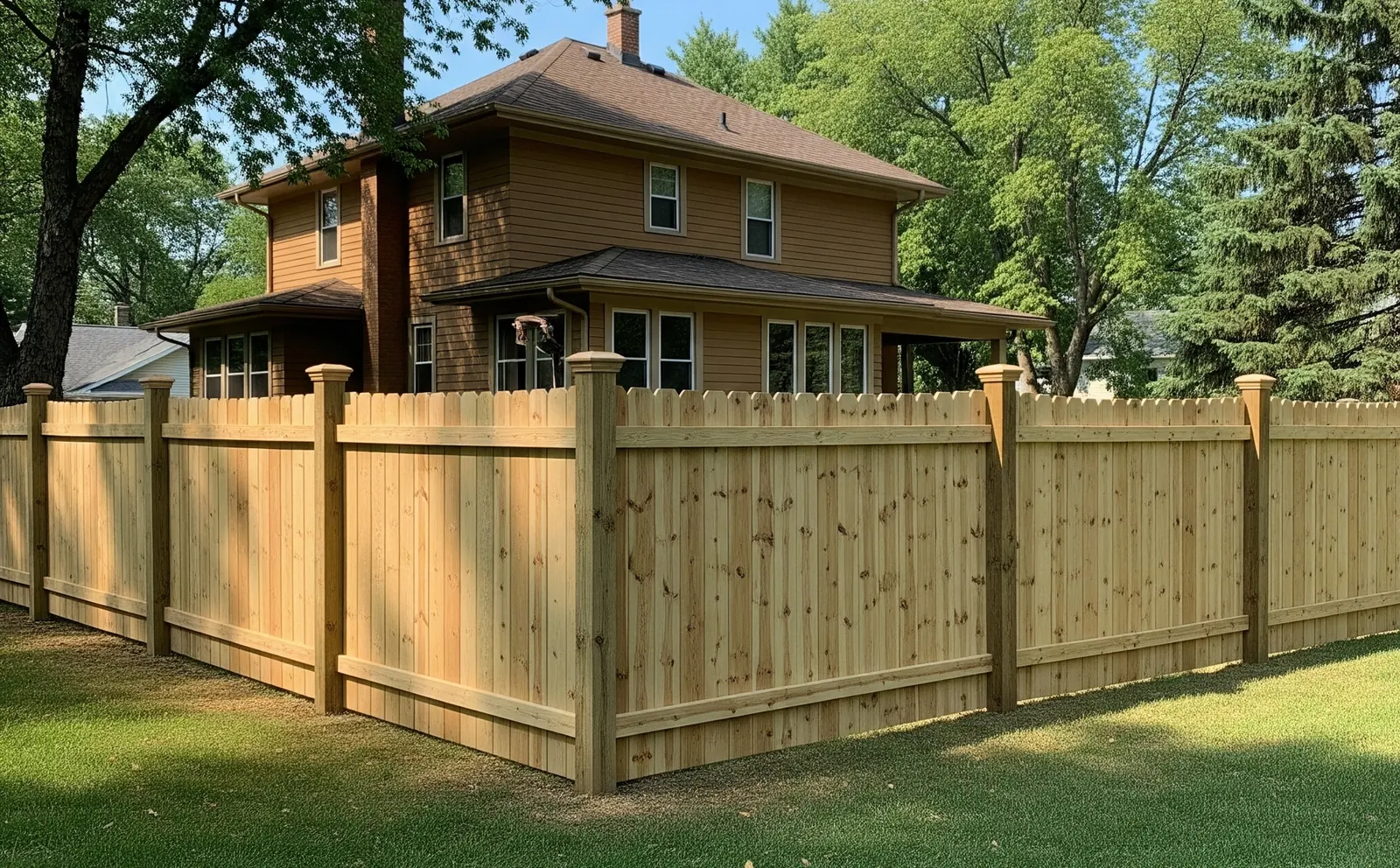
- Wood: Offers a natural appearance and can be customized in different styles, heights, and finishes.
- Vinyl or PVC: Provides a clean appearance and generally requires less routine maintenance than wood.
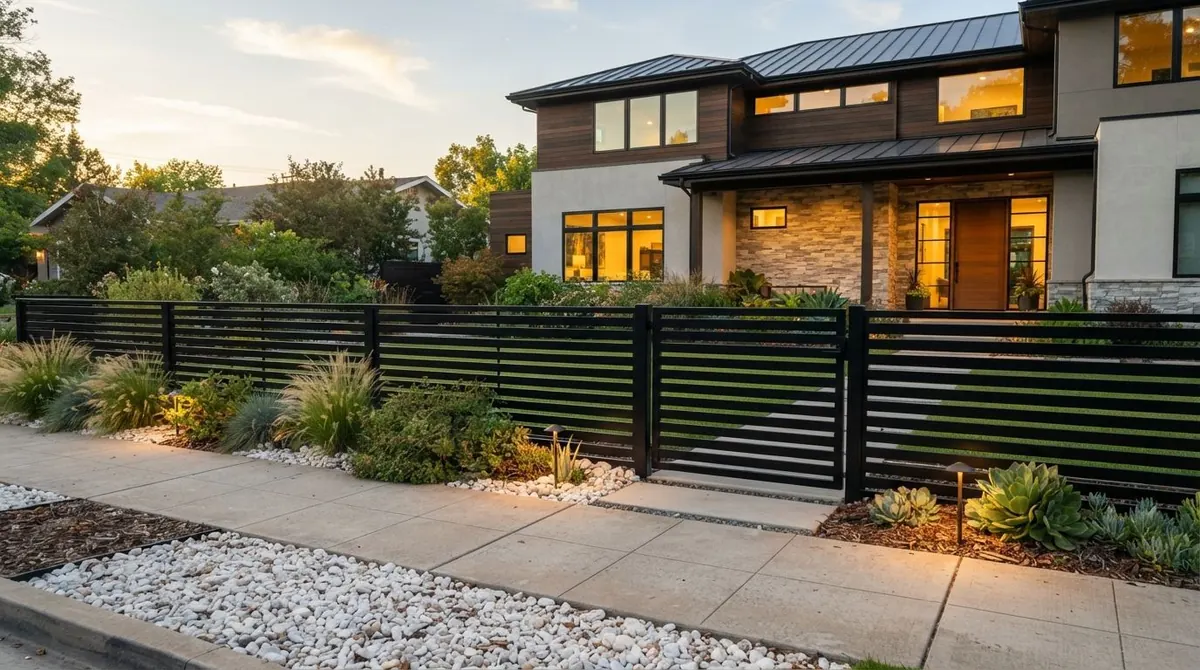
- Aluminum: Offers a decorative look and works well for homeowners who prefer an open design.
- Wrought Iron: Provides a traditional appearance and a defined boundary.
- Composite: Combines a finished appearance with materials designed for outdoor use.
However, choosing a material is not only about appearance and durability in River Hills.
The village's review process considers whether the proposed materials and overall design are suitable for the property and harmonious with the surrounding area.
It is a good idea to include material samples, photographs, or manufacturer information with your application when required.
5. Know Your Property Boundaries Before Installation
One common fencing mistake is assuming that an existing fence, landscaping feature, or neighboring structure accurately identifies the property line.
Before installation, homeowners should confirm their actual property boundaries.
A plat of survey or property survey can help identify:
- Property lines and lot dimensions
- Existing buildings and structures
- Driveways and other improvements
- Distance from proposed improvements to property lines
- Easements and other relevant property features
The Village's construction guidelines call for a plat survey for fence projects.
Accurate measurements can help prevent property disputes and make it easier for the village to review the proposed fence location.
6. What Should You Prepare Before Applying for Fence Approval?
Preparing your documents and project details ahead of time can make the application process easier.
According to the Village of River Hills' Building Board application checklist, applicants should prepare the required application materials and supporting information.
For a fence project, useful preparation includes:
1. Completed Building Permit Application
Obtain the current application form from the village and complete the required information.
2. Property Survey or Plat Plan
Provide a plan showing the property boundaries and the proposed fence location, including distances from the lot lines.
3. Fence Design and Dimensions
Prepare a drawing or description showing the fence's proposed height, style, layout, and overall appearance.
4. Material Information
Prepare samples, photographs, or manufacturer information describing the materials and colors you intend to use.
5. Property Photographs
The Village's construction guidelines ask for photographs of the existing structure and neighboring structures for exterior changes.
6. Application Fees
Confirm any application fees and current amounts with Village Hall before submitting your application.
The village's published checklist states that required materials must be submitted by the first Monday of the month for consideration at that month's Building Board meeting. It is best to confirm the latest submission instructions directly with Village Hall.
7. Why Professional Fence Installation Matters
Understanding local approval requirements is only one part of a successful fencing project. Proper installation is equally important.
Fence posts need to be positioned correctly, panels must be aligned, and the installation should account for the property's slope, soil conditions, and seasonal ground movement.
Wisconsin winters can bring freezing temperatures and frost that affect the ground around fence posts. Proper installation techniques can help reduce movement and support long-term fence stability.
A professional fence contractor can help homeowners consider:
- Fence styles and materials suitable for their property
- Proper post placement and alignment
- Yard slopes and ground conditions
- Property boundaries and proposed fence layout
- Project measurements and design details
- Local approval requirements before installation
Working with an experienced contractor can help homeowners plan a fence that meets their practical needs while complementing their outdoor space.
Plan Your River Hills Fence Project with Confidence
Installing a fence can improve privacy, establish property boundaries, and enhance the appearance of your outdoor space. However, understanding the Village of River Hills' approval process should be part of your planning.
From preparing a property survey and selecting suitable materials to submitting the necessary documents for Building Board review, taking the right steps before installation can help your project move forward more smoothly.
River Hills Fence can help homeowners explore fencing options that suit their properties, outdoor spaces, and preferences. Whether you are considering a backyard privacy fence, a decorative design, or a replacement fence, choosing the right style and planning the installation carefully are important first steps.
Contact River Hills Fence to discuss your fencing project and explore options for your home.
With proper planning, attention to local approval requirements, and quality installation, you can create an attractive and functional fence that complements your property for years to come.